Key Features of Premier Roofing & Exteriors
Selecting the Top Roofing Materials: Expert Insights From the Team at Premier Roofing & Exteriors
Picking the ideal roofing materials can substantially impact a home's durability and aesthetic appeal. Premier Roofing & Exteriors outlines several options, including metal roofing, asphalt shingles, and clay tiles, each delivering unique benefits. Elements like climate and architectural style play a vital role in this decision. Appreciating the long-term value of quality materials is essential, yet many homeowners overlook key factors that can influence their decisions. What should they consider next?
A Guide to Different Roofing Materials
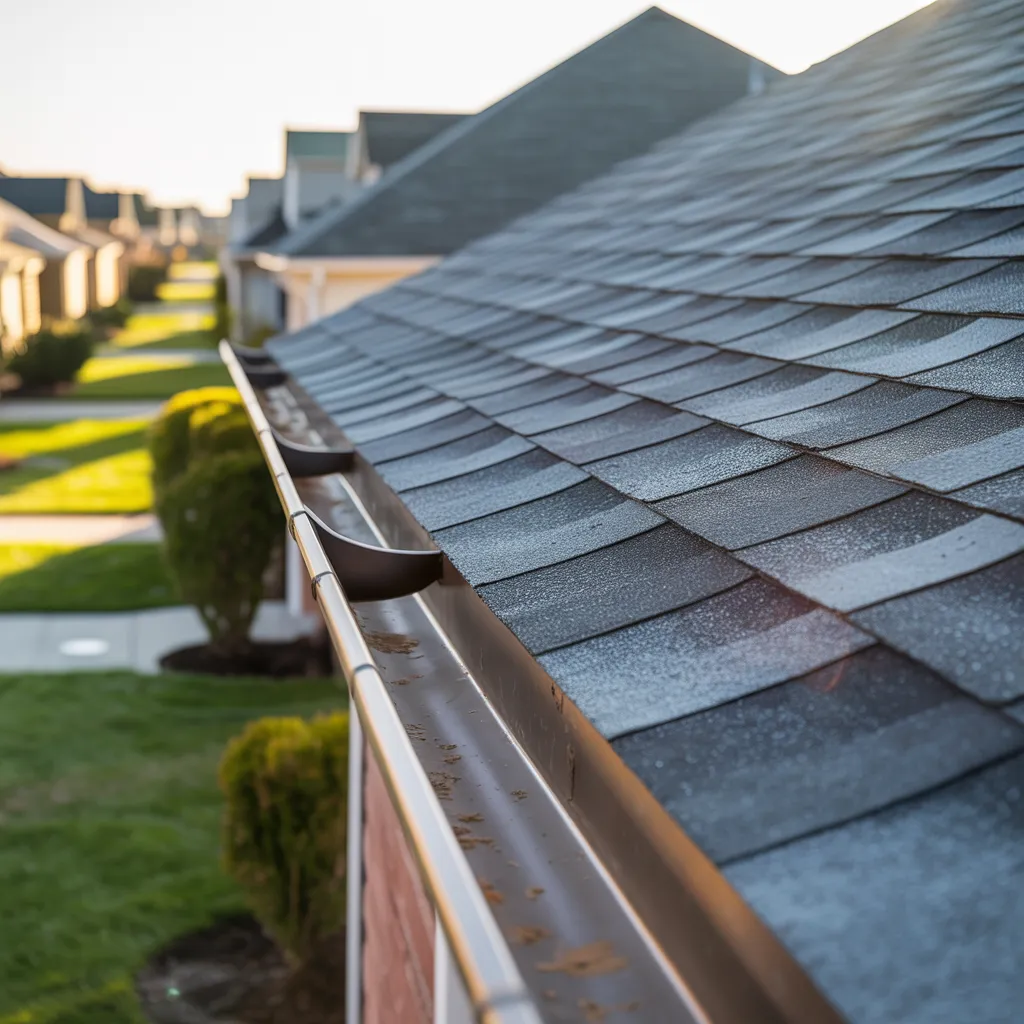
When selecting roofing materials, what factors should homeowners consider? Numerous options are available, each offering different qualities, strengths, and weaknesses. Asphalt shingles are popular for their affordability and ease of installation, rendering them a go-to solution for a wide range of residential applications. Metal roofing, celebrated for its resilience and ability to reduce energy consumption, attracts homeowners looking for lasting performance and lower cooling expenses. Clay and concrete tiles offer aesthetic appeal and can withstand various weather conditions, yet they are typically bulkier and higher in price. Wood shakes deliver a natural aesthetic but demand consistent upkeep to avoid deterioration. Homeowners should additionally evaluate regional weather conditions, home design, and financial limitations. Ultimately, the choice of roofing material should align with personal preferences and practical needs, achieving a harmony between performance and aesthetic quality while boosting the home's total worth.
How to Evaluate Durability and Longevity
Evaluating durability and longevity in roofing materials is critical for homeowners aiming to make a sound investment. To evaluate these factors, one should look at the material's capacity to endure environmental elements such as wind, rain, and hail. For instance, metal roofs tend to outlast asphalt shingles regarding longevity, commonly enduring over 50 years when properly maintained.
Another important consideration is the product warranty, which can offer valuable information about anticipated longevity and resilience. Homeowners should also examine regional weather patterns, as some materials tend to perform more effectively in certain climates. For example, clay tiles hold up well against intense heat and cold, positioning them as an excellent option for regions with higher temperatures.
In addition, obtaining expert insights and evaluations can assist in examining performance history. At the end of the day, picking materials that suit both regional conditions and personal tastes secures a reliable roofing solution that shields homes for years ahead.
Price vs. Worth in Roofing
Comprehending the link between price and value in roofing materials is integral to making knowledgeable choices. Property owners often face the challenge of reconciling short-term expenditures with long-term gains. While cheaper materials may minimize starting costs, they may be deficient in durability and demand more frequent substitutions, consequently elevating overall expenditures. In contrast, investing in higher-quality materials can produce considerable cost reductions over time through enhanced longevity and reduced maintenance needs.
Worth also includes elements like aesthetic appeal and energy efficiency. Roofing with superior insulation can decrease energy expenses, delivering a return on investment that goes beyond the upfront cost. Moreover, a visually striking roof can increase a home's overall market worth. Consequently, reviewing roofing solutions should not be limited to Premier Roofing & Exteriors cost but should also weigh long-term advantages and potential savings. Ultimately, a thoughtful assessment of cost versus value will lead to more satisfactory roofing choices.
Selecting the Best Roofing Style for Your Home's Architecture
What steps can homeowners take to ensure their roofing style matches their home's architecture? Picking the correct roofing style is critical for establishing aesthetic balance and boosting curb appeal. Homeowners must start by assessing their home's overall architectural design. For instance, a modern home often pairs well with flat or low-slope roofs, while traditional styles like Colonial or Victorian benefit from gable or hip roofs.
In addition, the local environment plays a vital role. Properties near the coast might select materials that withstand salt and moisture, while those in frigid climates may demand roofs constructed to dispel snow efficiently. Coordinating colors is also essential; a roof should complement the exterior palette to create a cohesive look. Working with architectural specialists or consultants can offer helpful guidance, making certain that the chosen roofing style not only matches individual preferences but also honors the structural character of the home.
Care Guidelines for Your Selected Roofing Material
Proper maintenance of roofing materials is essential for extending their lifespan and guaranteeing peak performance. Homeowners should perform routine checkups, optimally on a biannual basis, to detect underlying concerns such as deteriorated shingles or buildup of debris. Cleaning drainage channels and downpipes avoids water-related damage and supports effective drainage. For asphalt-based roofing, maintaining proper airflow can mitigate heat buildup, which may cause deterioration. Steel roofing systems need regular examinations for oxidation or weakened connectors, while ceramic roofing should be examined for broken tile pieces.
In addition, ensuring trees are kept trimmed away from the roof helps prevent falling branches and curtails moss or algae growth. If needed, immediate repairs should be completed to prevent minor problems from becoming major ones. Lastly, hiring a professional for routine maintenance or inspection can offer expert guidance and ensure that the roofing material stays in outstanding condition, boosting the home's overall value and safety.
Questions We Often Receive
How Do Different Roofing Materials Affect the Environment?
Various roofing materials carry distinct environmental consequences. Asphalt shingles are a major source of landfill waste, whereas metal roofs offer full recyclability. Green roofs deliver significant insulation properties, but their installation can be resource-intensive, underscoring the importance of thoughtful material selection.
How Do Weather Conditions Affect Roofing Material Performance?
Weather conditions greatly influence roofing material performance. Intense heat or cold can trigger expansion or contraction, as heavy precipitation such as rain or snow may result in leaks. Strong winds can lift or deteriorate materials, reducing their durability and functional effectiveness with time.
Can I Install New Roofing Over Existing Materials?
Indeed, roofing installations can be completed over existing materials, provided the structure is sound and local building codes allow it. This method can save time and costs, but proper assessment is essential to guarantee durability.
What Types of Warranties Are Commonly Available for Roofing Materials?
Standard warranties for roofing materials encompass manufacturer warranties, generally protecting against defects for 20 to 50 years, and installation warranties, covering periods of one to ten years, according to the contractor's terms, providing assurance of proper installation and optimal material performance.
How to Choose a Reliable Roofing Contractor
To identify a dependable roofing contractor, one should examine customer reviews, verify licenses and insurance, ask for detailed estimates, and maintain clear communication. Word-of-mouth recommendations and checking past work can also enhance trust in the contractor's expertise.